

Aesthetic Medicine
SkinPen® – microneedling for skin renewal
Microneedling with the SkinPen® device uses controlled micro-injuries to stimulate the skin’s natural renewal — for example in acne scarring and uneven texture. Whether the treatment suits you is assessed at your consultation.
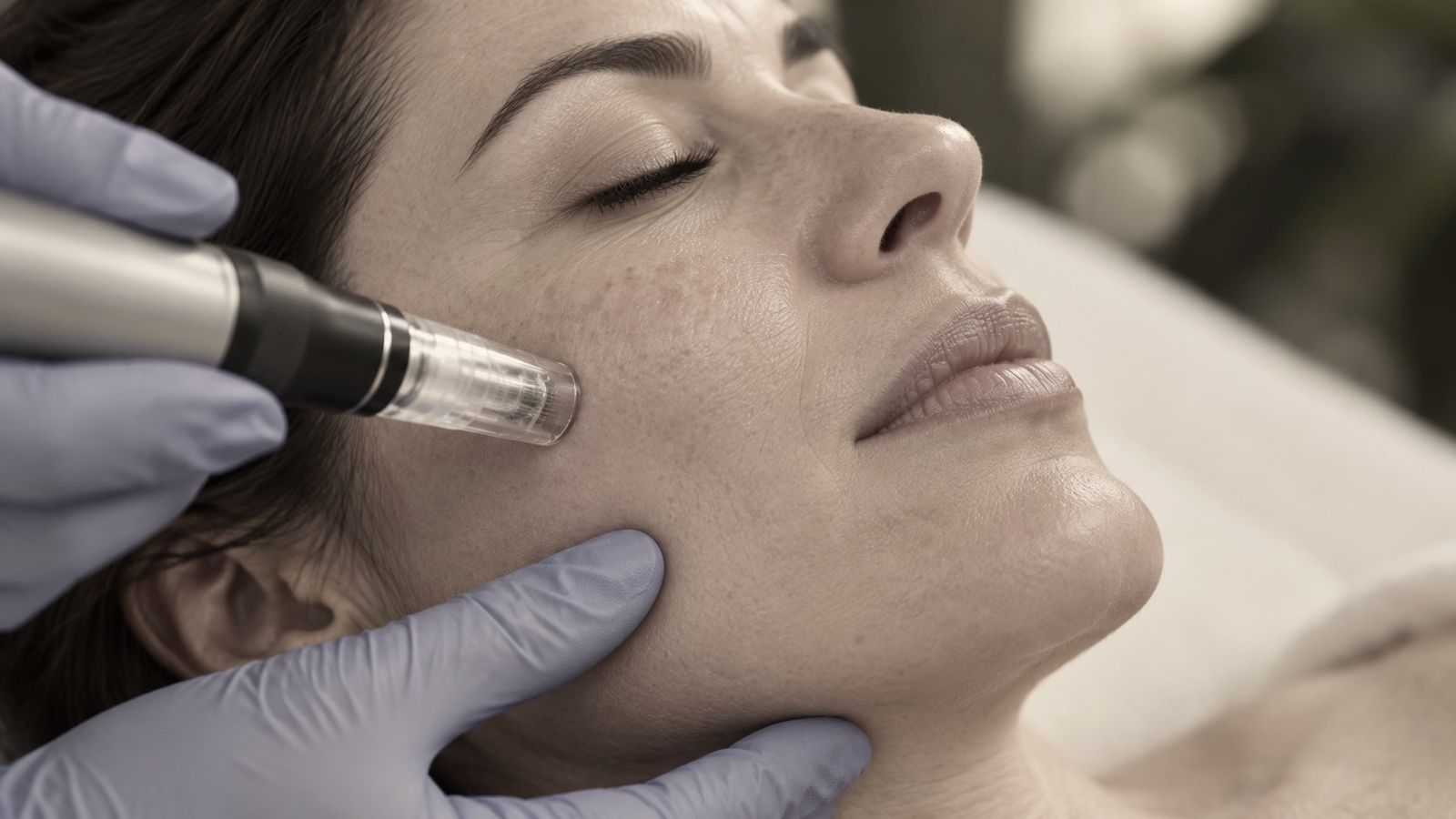
- 30–45 minTreatment time according to the manufacturer
- MechanicalMicroneedles, no heat
- 1–3 daysTypical redness after treatment
- IndividualNumber of sessions and intervals
What is SkinPen and how does it work?
Microneedling is the name of the procedure: very fine sterile needles create many tiny, controlled channels in the skin. SkinPen® is the name of the device — a medical microneedling device used to perform the procedure. In other words, microneedling is the treatment and SkinPen is one of the devices used for it.
The micro-injuries are deliberately small and uniform. The skin responds with its natural healing processes: new collagen is stimulated and the tissue is gradually renewed. That is why results are not immediate but develop over the weeks after treatment.
The effect relies on the mechanical action of microneedles that create controlled micro-channels in the skin, with no heat involved. Needle depth is adjusted to the treatment area and skin condition, and a new sterile needle cartridge is used for every patient.
Who it is for
Who is the treatment for?
According to the manufacturer, the SkinPen® Precision device carries a CE mark in the European Union and the United Kingdom for the following indications:
- facial acne scars in adults aged 22 and over
- surgical scars
- stretch marks
- enlarged pores
- fine lines and wrinkles
- pigmentation irregularities (dyschromia)
An approved indication does not mean the treatment is right for everyone. Suitability is always assessed at a consultation — after examining your skin and discussing your health, medication and expectations.
Device indications and general benefits
The list above covers the indications for which the manufacturer has published a CE mark for SkinPen® Precision. Improved skin quality may also show as a more even texture and a fresher look — these are general aesthetic benefits, not separate approved indications, and they vary from person to person.
When is the treatment not suitable?
The treatment is not performed, or is postponed, for example with:
- active inflammation, infection or open wounds in the treatment area (including active acne and cold sores)
- a tendency to keloid or hypertrophic scarring
- pregnancy and breastfeeding
- certain skin and connective-tissue diseases (e.g. scleroderma) and blood-clotting disorders
- certain medicines that affect healing or clotting — please always tell us about any medication you take
This list is not exhaustive. The final assessment is made by the doctor at the consultation, based on examination and medical history.
Procedure
What does the treatment involve?
Your plan — the number of sessions and the interval between them — is tailored to your skin and goals. The treatment itself goes like this:
Consultation & skin assessment
We talk about what bothers you, examine your skin and take a medical history — health, medication, scarring tendency — and assess whether microneedling is suitable.
Preparation
The skin is thoroughly cleansed. Where needed, a topical anaesthetic cream is applied, according to assessment and protocol.
The treatment
The device is guided over the treatment area, with the depth adjusted to each part of the skin. According to the manufacturer, a treatment typically takes 30–45 minutes.
Aftercare & instructions
A soothing product is applied at the end, and you receive instructions on cleansing, skincare and sun protection for the following days.
Benefits
What you can realistically expect
Gradual improvement
The skin renews itself over the weeks after treatment, so changes develop gradually rather than overnight.
Tailored to your skin
Depth and treatment area are adapted to your skin and treatment goals.
Short recovery
According to the manufacturer, redness and tightness usually last one to three days.
Mechanical action
The effect relies on the skin’s response to controlled micro-injuries, with no heat involved.
Realistic limitations
- Scars can be softened but are generally not removed completely.
- Several sessions are usually needed, and results vary from person to person.
- The treatment is not completely painless — you will feel pressure or prickling. Where needed, a topical anaesthetic cream is applied, according to assessment and protocol.
Duration and recovery
Recovery after treatment
- Immediately after
- Redness similar to a mild sunburn, warmth and tightness
- First 1–3 days
- Redness, dryness or tightness gradually subside
- Everyday activities
- According to the manufacturer, usually within 24 hours
- Sun
- Avoid sun exposure 24 hours before and 72 hours after treatment
After treatment the skin is red, warm and sensitive — similar to a mild sunburn. According to the manufacturer, this reaction usually settles within one to three days.
For the first few days, skincare should be gentle: mild cleansing, moisturising and sun protection. When to return to make-up and your usual products — especially those with active ingredients such as retinoids or acids — is agreed based on how your skin responds.
Exact instructions depend on the treatment area and skin condition; you receive them after every session.
Results and maintenance
When will I see results?
New collagen forms gradually, so changes develop over the weeks after treatment. In the manufacturer’s clinical studies, the appearance of acne scars continued to improve for up to six months, and neck wrinkles for up to three months.
The number of sessions and the interval between them are set in your individual plan, depending on your skin and goals — there is no universal number.
Skincare between sessions
- Daily sun protection
- Gentle skincare, with no harsh exfoliation in the days after treatment
- Contact us if redness or irritation lasts longer than expected
- Keep to the agreed treatment plan
Manufacturer & technology
The SkinPen® device
SkinPen® is a microneedling device with a sterile, single-use needle cartridge.
- Device
- SkinPen®
- Needle cartridge
- Sterile, single-use
Sterile single-use cartridge
A new needle cartridge is used for every patient; its sealed design reduces the risk of cross-contamination.
Adjustable depth
Needle depth is adapted to the treatment area and skin condition.
Mechanical action
Microneedles create controlled micro-channels with no heat involved; the skin renews itself through its own healing processes.
Frequently asked questions
Frequently asked questions
Can’t find your answer? Call us or send an enquiry.
+385 99 268 6537Is the treatment uncomfortable?
Where needed, a topical anaesthetic cream is applied, according to assessment and protocol. Most patients describe the sensation as light pressure or a mild vibration. It is not completely painless, though — sensitivity depends on the area and on you, and you can ask for a pause at any time.
How many sessions will I need?
It depends on your skin and goals, so there is no universal number. Usually a series of sessions a few weeks apart is planned; we agree the plan at your consultation.
When can I expect results?
The skin renews itself gradually, so changes develop over the weeks after treatment. In the manufacturer’s studies, the appearance of acne scars continued to improve for up to six months.
What does the skin look like after treatment?
Red and somewhat tight or dry — similar to a mild sunburn. According to the manufacturer this usually passes within one to three days, and most people return to everyday activities within 24 hours.
When can I use make-up and my usual skincare again?
That depends on how your skin reacts and on the type of product, so you receive the exact timing in your aftercare instructions. For the first days only gentle care and sun protection are recommended; products with active ingredients (e.g. retinoids, acids) are reintroduced once the skin has settled.
When is the treatment not suitable?
For example with active inflammation or infection in the treatment area, a tendency to keloid scarring, during pregnancy and breastfeeding, and with certain conditions and medicines. That is why every treatment is preceded by a consultation and medical history.
Related
Related treatments
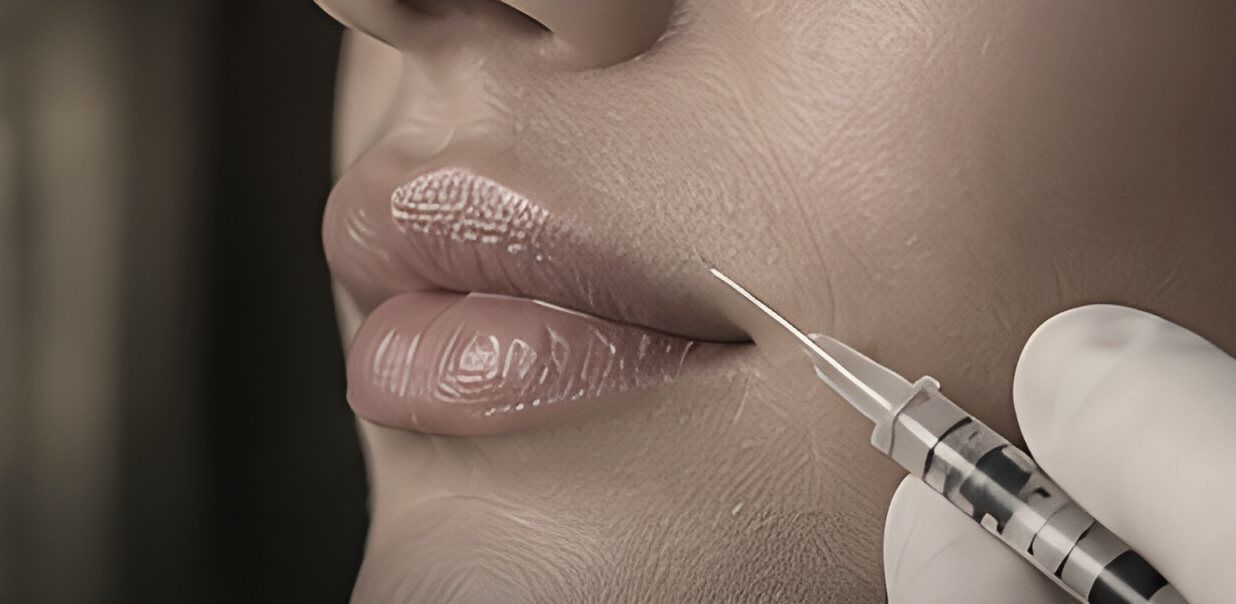
Dermal fillers
Restoring lost volume and subtly defining facial contours — gradually, in small amounts, so the result stays in harmony with your features.
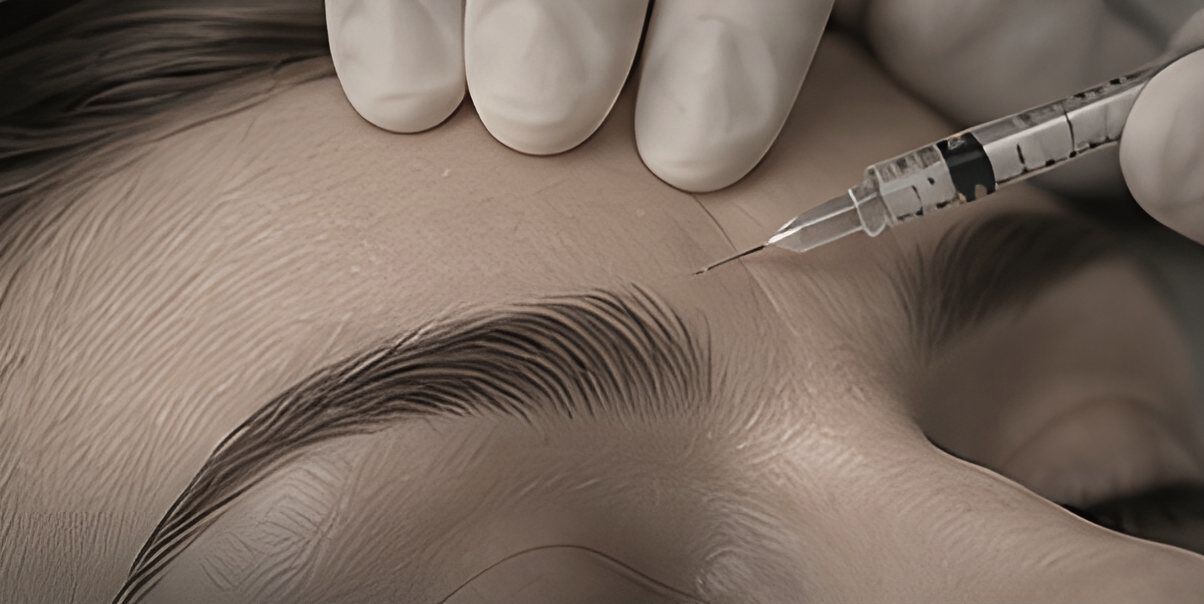
Botulinum toxin
Targeted relaxation of the facial muscles for softer lines and a rested expression — in small, precise doses that keep your natural expressions intact.