

Cosmetic dentistry
Teeth whitening
A brighter smile without drilling and without changing the shape of your teeth — at home with custom-made trays or in the clinic under professional supervision.
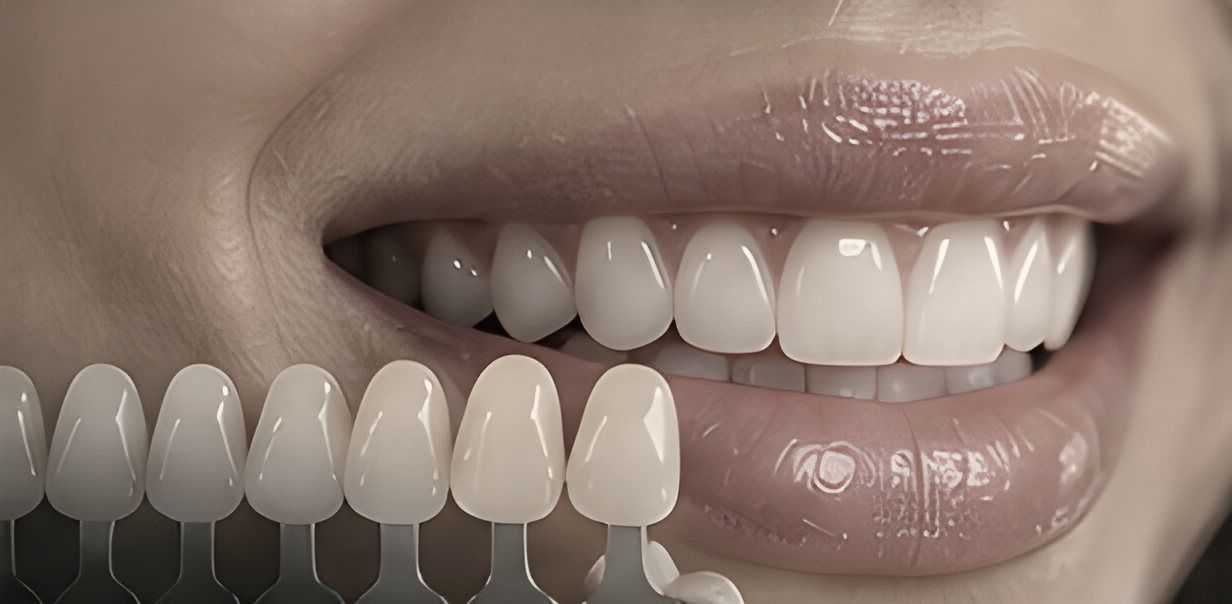
- OpalescenceProfessional whitening gels
- 4 gelsIn the take-home kit
- CustomUpper and lower trays
- No drillingThe tooth stays intact
What is teeth whitening?
Whitening is a procedure that lightens the natural colour of the teeth. The whitening gel contains peroxide, which penetrates the enamel and dentine and breaks down coloured molecules — pigments from coffee, tea, red wine and tobacco, or those that come with age.
Unlike polishing or whitening toothpastes, which only remove surface stains, professional whitening changes the colour of the tooth itself. The tooth is not drilled and its shape does not change.
How much lighter the teeth become depends on the type of staining, the starting shade and the thickness of the enamel. Whitening is therefore always preceded by an examination: we check for decay, damaged fillings or receding gums and assess what result can realistically be expected.
Who it is for
Who is whitening for?
Whitening suits adults with healthy teeth and gums who would like a lighter shade, for example with:
- yellowed teeth from coffee, tea, wine or smoking
- a naturally darker tooth shade
- teeth that have darkened with age
- preparation for cosmetic work — so that new veneers or crowns can be made in a lighter shade
Before whitening, the dentist examines your teeth and gums. Whitening is not carried out with untreated decay or gum inflammation, is generally postponed during pregnancy and breastfeeding, and is not carried out for anyone under 18. Fillings, crowns and veneers do not change colour.
In our surgery
How we whiten teeth
We whiten with Opalescence gels — at home, with upper and lower trays and four gels, or in the clinic.
For take-home whitening we take an impression of your teeth and make custom upper and lower trays. The trays fit closely, so the gel stays on the teeth rather than the gums. The kit includes four whitening gels and instructions on how and for how long to wear the trays.
In-office whitening is carried out in the dental chair under supervision. The gums are protected before the gel is applied directly to the teeth. It suits patients who want a visible change in a shorter time.
Opalescence gels are peroxide-based, and the take-home and in-office products differ in concentration and application time. That is why take-home whitening follows your dentist’s instructions, while in-office whitening is supervised at the clinic. We agree on the right method for you after the examination.
- Take-home whitening
- Upper and lower trays + 4 gels
- In-office whitening
- At the clinic, with gum protection
Custom trays
Made from an impression of your teeth for even contact with the gel.
Examination first
Decay, damaged fillings and sensitive tooth necks are treated before whitening begins.
The trays are yours
You can use the same trays later for occasional top-ups.
Take-home or in-office whitening?
Both methods can give a lovely result. They differ in pace, how they are carried out and whether wearing trays suits you.
The final result depends on your starting shade and type of staining, not only on the method chosen.
Procedure
What does the procedure involve?
Examination
We check your teeth, fillings and gums and record your starting shade.
Preparation
Scaling and treatment of any decay before whitening, if needed.
Impression or gum protection
For take-home whitening we take an impression for the trays; for in-office whitening the gums are protected before the gel is applied.
Whitening
At home following instructions, wearing the trays with gel — or at the clinic in a single visit.
Shade check
We compare the result with the starting shade and agree on any further steps.
Benefits
Benefits of whitening
No drilling
The tooth is not prepared and its shape stays the same.
Changes the tooth’s colour
Acts on pigments within the tooth, not just surface stains.
Professional supervision
Whitening follows an examination and is guided by your dentist.
Two methods
Choose between gradual take-home and faster in-office whitening.
A start for cosmetic work
A lighter shade can be the basis for later veneers or crowns.
Realistic expectations
- Fillings, crowns and veneers do not whiten — after whitening they sometimes need replacing to match.
- Some stains (e.g. from certain medications or in root-treated teeth) respond less well to whitening.
- The result is not permanent: over time, especially with staining food and drink, the colour gradually returns — though not completely to the original shade.
Duration and recovery
Duration and recovery
- In-office whitening
- One visit
- Take-home whitening
- Several days to several weeks, as instructed
- Tooth sensitivity
- Common, usually temporary
- Anaesthesia
- Not needed
During and after whitening, teeth may be more sensitive to cold. This is usually temporary and settles once whitening is finished; if needed, we recommend a toothpaste for sensitive teeth or longer breaks between gel applications.
For the first days after whitening, we advise avoiding strongly coloured food and drink — coffee, tea, red wine, sauces — and smoking.
The length of treatment and the intensity of the result depend on your starting shade and the individual case.
Results and maintenance
Results and maintenance
The result is visibly lighter, natural-looking teeth. How long the lighter shade lasts depends on diet, smoking and oral hygiene.
Over time the colour of the teeth gradually returns, but not completely to the original shade. The result can be refreshed with occasional shorter whitening, as agreed with your dentist — for take-home whitening, using the same trays.
Keeping your teeth lighter
- Limit coffee, tea, red wine and strongly coloured food, or rinse with water afterwards
- Do not smoke
- Regular professional cleaning and polishing
- Occasional whitening top-ups as agreed
Frequently asked questions
Frequently asked questions
Can’t find your answer? Call us or send an enquiry.
+385 99 268 6537Which whitening gel do you use?
We use Opalescence gels. The take-home and in-office products differ in concentration and application, and the choice depends on your examination and preferences.
Does whitening damage the enamel?
Professional whitening carried out after an examination and according to your dentist’s instructions is considered a safe procedure for healthy teeth. The most common side effect is temporary tooth sensitivity.
How long does the result last?
It varies from person to person and depends mainly on diet, smoking and hygiene. The colour gradually returns, though not completely to the original shade, and the result can be refreshed with a shorter whitening session.
Do fillings, crowns and veneers whiten too?
No. Whitening works only on natural teeth. If you have visible fillings or crowns on your front teeth, they sometimes need replacing after whitening so the colour matches — we discuss this in advance.
Is take-home or in-office whitening better?
Both can give a good result. Take-home whitening is more gradual and uses trays at home; in-office whitening gives a change in a shorter time. The choice depends on your preferences, schedule and examination findings.
Will my teeth hurt?
Some patients experience temporary sensitivity to cold. It usually settles once whitening is finished and can be eased with a toothpaste for sensitive teeth and by adjusting how the gel is used.
Can I whiten my teeth during pregnancy?
Whitening is generally postponed during pregnancy and breastfeeding. A cosmetic procedure can wait — and you are always welcome to ask us about routine dental care during pregnancy.
Related
Related treatments
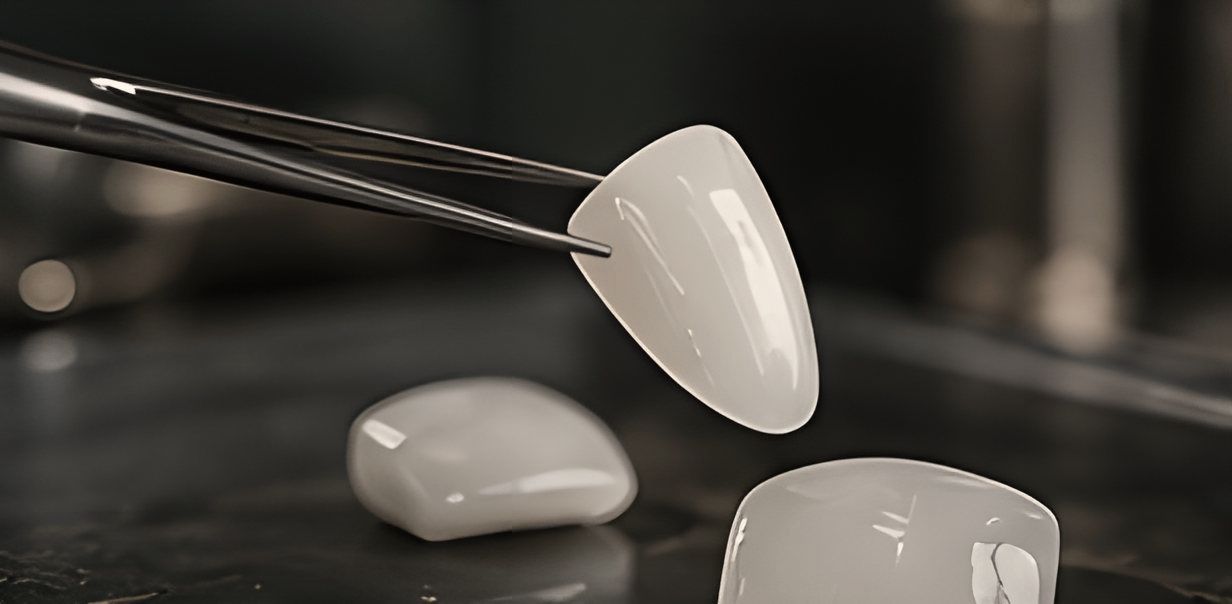
Porcelain veneers
Thin ceramic veneers that change the shape, colour and proportions of your front teeth — made to measure for your smile, preserving as much of your own tooth as possible.
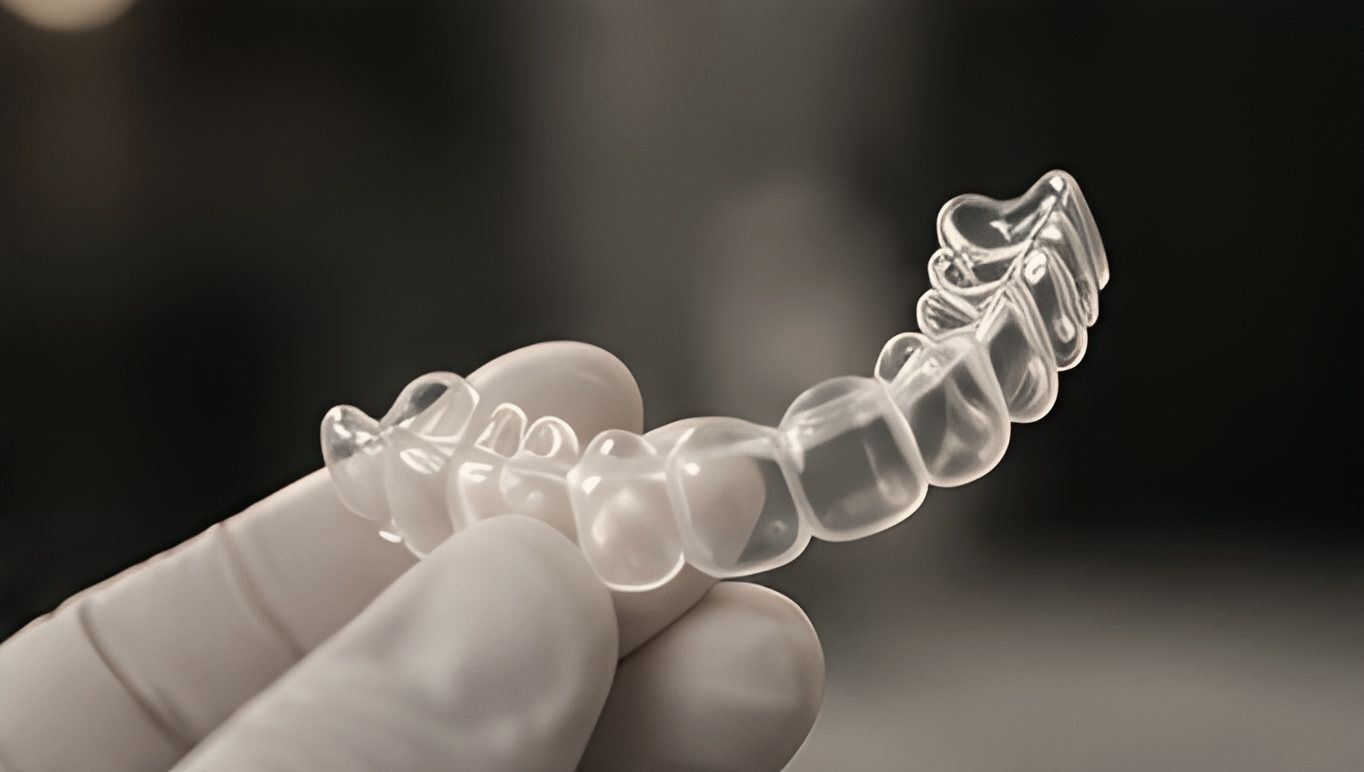
Clear aligners
Gradually straightening teeth with a series of clear trays — discreet, and removable for eating and brushing.