

Aesthetic medicine
Botulinum toxin
Targeted relaxation of the facial muscles for softer lines and a rested expression — in small, precise doses that keep your natural expressions intact.
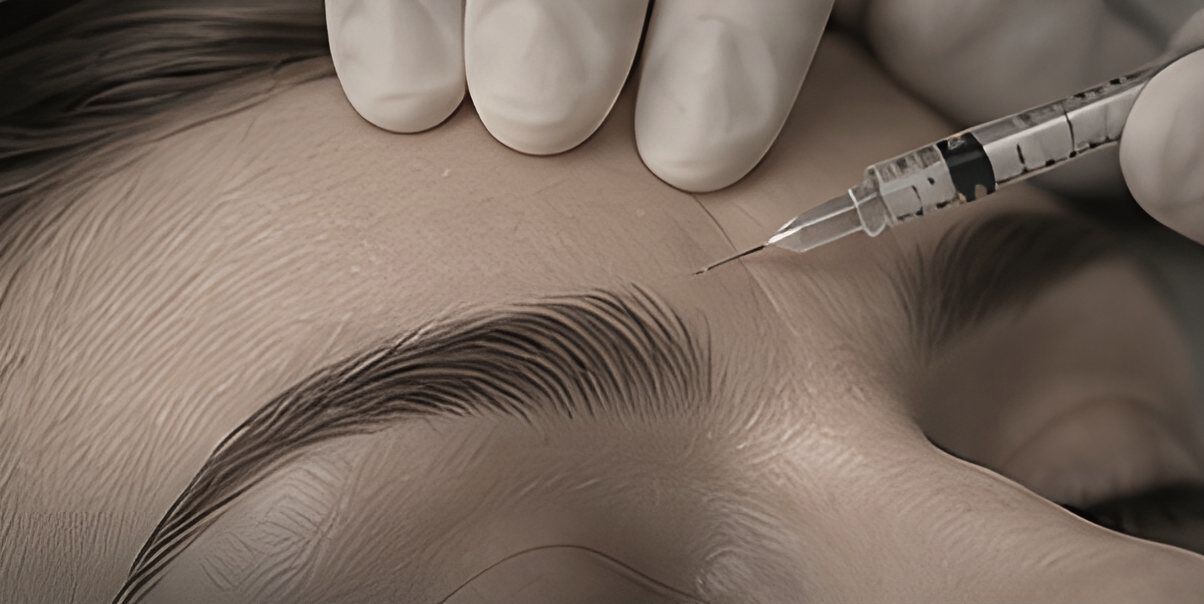
- BocoutureBotulinum toxin type A
- 2–3 daysTypical onset
- 3–4 monthsTypical duration
- Medical historyTaken before every treatment
What is botulinum toxin?
Botulinum toxin type A, widely known as "Botox", is a purified protein that temporarily blocks the signal from a nerve to a muscle. When very small, precisely measured doses are injected into a chosen muscle, that muscle partly relaxes — and the skin above it creases less.
This is why botulinum toxin works mainly on dynamic expression lines — those formed by repeated facial movements such as frowning or raising the eyebrows. Lines visible at rest can soften over time, but botulinum toxin does not "fill" them — lost volume is addressed with other treatments, such as hyaluronic acid fillers.
The effect is temporary: the nerve endings gradually re-establish their connection with the muscle, movement returns, and the treatment can be repeated if you wish.
Who it is for
Who is the treatment for?
At our clinic we use botulinum toxin:
- to soften expression lines
- for people who want a rested, fresh look while keeping natural expressions
- for pronounced dynamic expression lines, based on individual assessment
- for bruxism — clenching and grinding of the teeth — only after a dental assessment; this use is not among the product’s approved aesthetic indications and is decided on individually
A detailed medical history is taken before every treatment. Whether the treatment suits you, in which area and at what dose is decided by the doctor after an examination and consultation.
In our surgery
What we use at Swiss Dental
We use Bocouture, a botulinum toxin type A product.
The active substance in Bocouture is incobotulinumtoxinA. In the European Union, Bocouture is approved for the temporary improvement of upper facial lines.
The dose is expressed in international units (IU). Units of different botulinum toxin products are not interchangeable. How many units are needed depends on the number of areas, muscle strength and the desired effect — the aim is to use as much as necessary, and no more.
Treatments are performed by Dr. med. dent. Antonia Lokin Ivankić, who has completed the basic and advanced botulinum toxin training modules at the AMSTA Academy.
- Product
- Bocouture
- Active substance
- IncobotulinumtoxinA
- Dosing
- Tailored to each patient
Tailored dosing
The dose is set according to the muscle, your expression and the goal — not a template.
Natural expression
The aim is to soften lines, not to "freeze" the face.
Medical assessment
A medical history and examination by our doctor of dental medicine come before every treatment.
Contraindications and caution
Botulinum toxin is a medicine. We therefore always take a medical history before treatment — covering illnesses, medication, allergies and previous aesthetic treatments. Please tell us about all the medicines you take and all your illnesses and conditions, even if they seem unimportant.
When the treatment is not given
- pregnancy and breastfeeding
- myasthenia gravis, Lambert-Eaton syndrome and other disorders of neuromuscular transmission
- infection or inflammation of the skin at the injection site
- known hypersensitivity to botulinum toxin or any ingredient of the product
When extra caution and individual assessment are needed
- anticoagulant or antiplatelet therapy
- certain antibiotics or other medicines — please tell the doctor about all your medication
- unrealistic expectations, or a wish for a change that would not suit the face
Please be sure to tell us if you take anticoagulant or antiplatelet therapy. Do not stop taking it on your own.
If you are unsure whether any of this applies to you, tell us at the consultation — we will assess together whether the treatment is suitable for you.
Procedure
What does the treatment involve?
Consultation and medical history
We talk about your wishes, health and medication and assess your facial expressions at rest and in motion.
Treatment plan
We decide on the areas, injection points and dose and explain what to expect.
Skin preparation
The skin is cleansed and disinfected; injection points are marked if needed.
Injection
The product is injected with a very fine needle into the chosen muscles. The procedure is usually brief.
Aftercare and review
You receive instructions for the first hours and days, and the effect is reviewed after about two weeks.
Benefits
Benefits of the treatment
Softer expression lines
Relaxing the muscle reduces creasing of the skin.
A short procedure
No incisions and no lengthy recovery.
Gradual, natural effect
The change develops over several days, with no abrupt transition.
Tailored dosing
The dose is adapted to your face and the desired effect.
Temporary effect
The effect gradually wears off over time; whether to repeat the treatment is up to you.
Realistic expectations
- The effect is temporary; treatment needs repeating to maintain the result.
- Deep lines visible at rest do not disappear completely.
- Botulinum toxin does not replace lost volume.
- Response to treatment varies from person to person.
Duration and recovery
Duration and recovery
- Treatment time
- Usually 15–30 minutes
- Onset
- Typically after 2–3 days
- Full effect
- Develops over the following weeks
- Duration of effect
- Usually about 3–4 months
- Back to daily life
- Immediately
Temporary reactions at the injection site are possible: redness, mild swelling, a small bruise or tenderness. Headache may also occur. These reactions usually settle on their own within a short time.
Rarely, a temporary drooping of the eyelid or eyebrow, or an asymmetric expression, can occur if the product affects a neighbouring muscle. This effect is temporary. If you notice any unusual symptoms — especially difficulty swallowing, speaking or breathing — seek emergency medical help immediately and let the clinic know.
For the first few hours after treatment we usually advise not massaging the area, not lying down, and avoiding strenuous exercise, saunas and strong heat until the next day.
Onset, strength and duration of the effect are individual and depend on the dose, area, muscle strength and metabolism.
Results and maintenance
Results and maintenance
The result is softer expression lines and a more rested look, while you keep the ability to express emotion. The effect develops gradually and is assessed at the review, when a small touch-up is possible if needed.
As the effect fades, movement gradually returns. Treatment is repeated as agreed, at the earliest after several months — the interval between treatments should not be too short.
Making the most of your result
- Follow the instructions for the first hours and days after treatment
- Attend the review after about two weeks
- Daily sun protection and skincare
- Repeat treatment at the intervals your doctor recommends
Frequently asked questions
Frequently asked questions
Can’t find your answer? Call us or send an enquiry.
+385 99 268 6537How does botulinum toxin work?
It temporarily blocks the signal from a nerve to a muscle. The muscle partly relaxes, so the skin above it creases less and expression lines soften.
When will I see the effect and how long does it last?
The effect typically starts to show after 2–3 days and fully develops over the following weeks. It usually lasts about 3–4 months, though this varies between individuals.
Will my face look "frozen"?
Our approach aims to soften lines, not remove expression. The dose and injection points are tailored to your face, and a small adjustment is possible at the review.
Which product do you use?
We use Bocouture. Its active substance is incobotulinumtoxinA.
What are the possible side effects?
The most common are temporary reactions at the injection site — redness, swelling, bruising — and headache. Rarely, a temporary drooping of the eyelid or eyebrow can occur. We discuss possible reactions in detail before treatment.
Who should not have botulinum toxin?
The treatment is not given during pregnancy and breastfeeding, with disorders of neuromuscular transmission (e.g. myasthenia gravis), with infection at the injection site, or with hypersensitivity to the product. It is also important to tell us about any medication you take.
Can botulinum toxin help with teeth clenching?
Botulinum toxin is also used for bruxism — clenching and grinding of the teeth — by relaxing the chewing muscles. This use is not among the product’s approved aesthetic indications, so it is decided on individually, after a dental examination and a discussion of the options, including a night guard.
Related
Related treatments
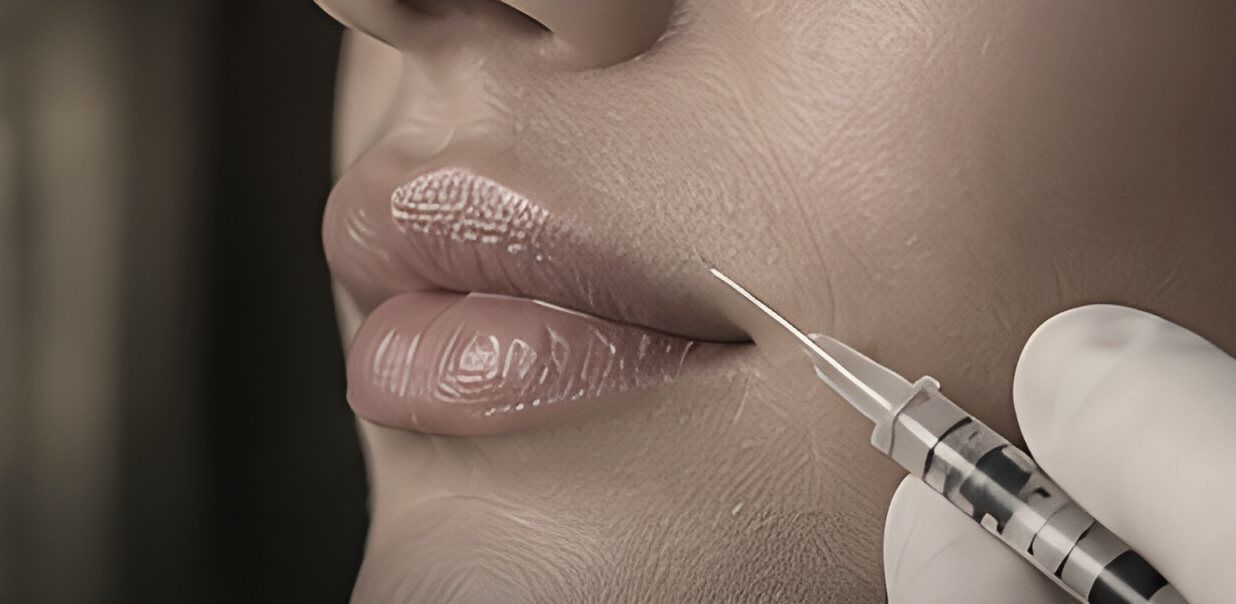
Dermal fillers
Restoring lost volume and subtly defining facial contours — gradually, in small amounts, so the result stays in harmony with your features.
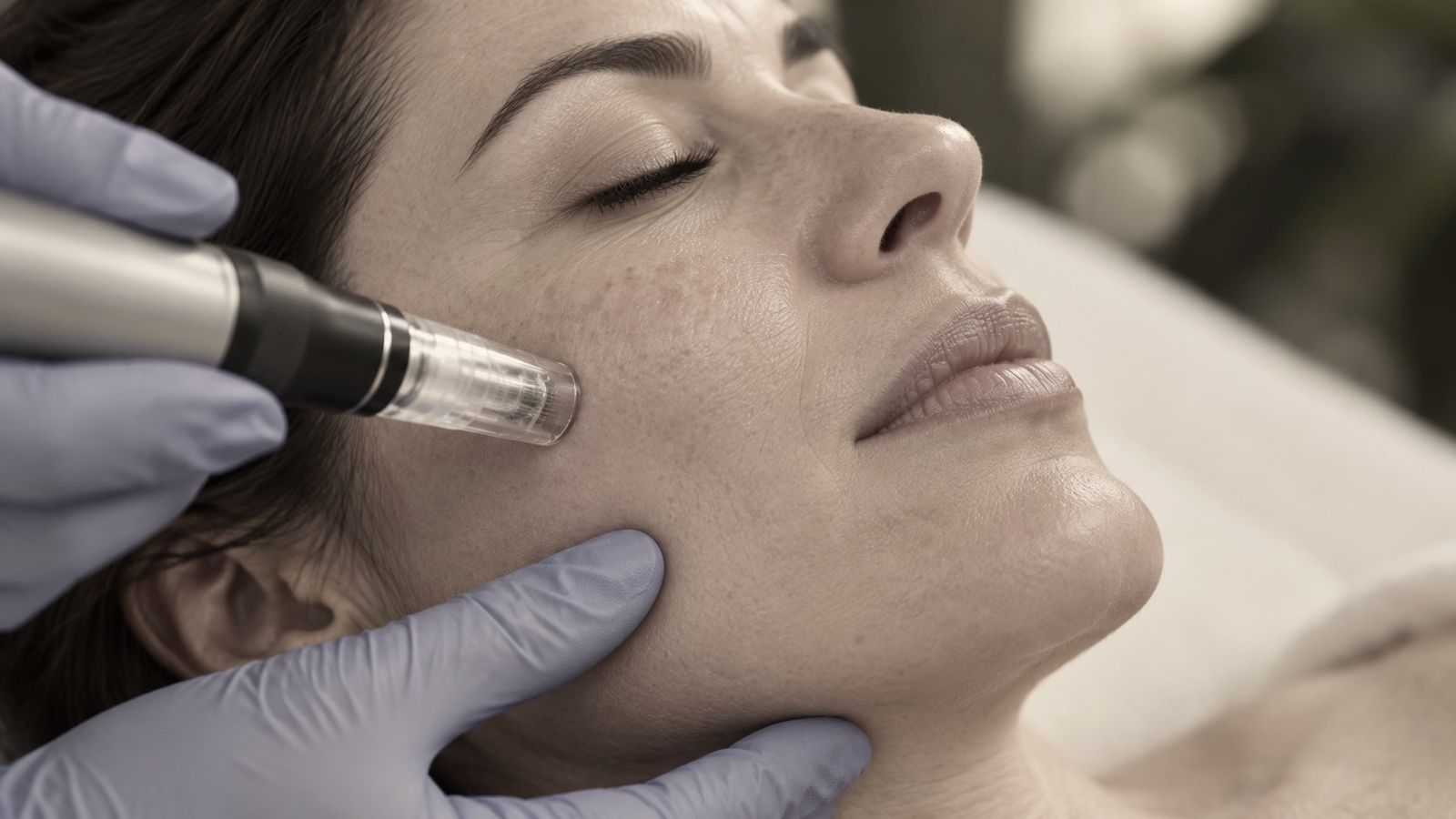
SkinPen microneedling
Microneedling with the SkinPen® device uses controlled micro-injuries to stimulate the skin’s natural renewal — for example in acne scarring and uneven texture.