

Orthodontics
Clear aligners
Gradually straightening teeth with a series of clear trays — discreet, and removable for eating and brushing.
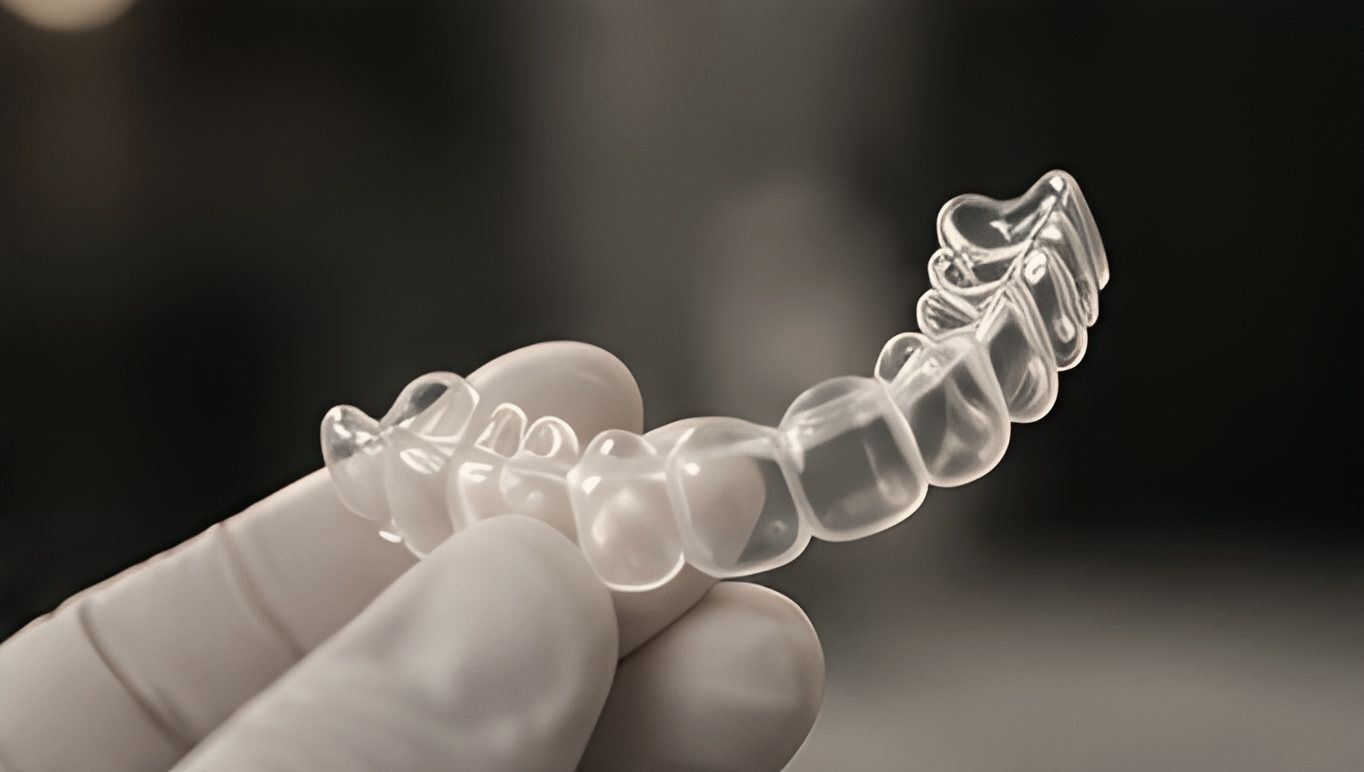
- ClearBarely visible in the mouth
- Custom-madeMade with a dental laboratory
- RemovableFor eating and oral hygiene
- RetainerKeeps the result stable
What are clear aligners?
Aligners are thin, clear trays made precisely to the shape of your teeth. Treatment uses a series of aligners: each one differs slightly from the last, so the teeth move step by step into the planned position.
Unlike fixed braces, aligners have no brackets or wires and can be taken out. That makes eating and brushing easier, but it also means success depends on wearing them as prescribed.
Our aligners are made in cooperation with a dental laboratory. The movement plan, number of aligners and treatment length are set individually after an examination and bite assessment.
Who it is for
Who are aligners for?
Clear aligners are most often considered for adults and older teenagers who have:
- mildly to moderately crowded or crooked teeth
- gaps between teeth
- teeth that have shifted over the years, for example after earlier orthodontic treatment
- a wish for orthodontic treatment that is discreet in everyday life
- a need to move teeth before prosthetic or cosmetic work
Aligners are not suitable for every orthodontic problem. Whether they are right for you is assessed by the dentist after an examination; more complex cases may need a different form of orthodontic treatment.
In our surgery
How we make aligners
Our aligners are made in cooperation with a dental laboratory, following an individual treatment plan.
Based on the examination and an impression of your teeth, a movement plan is made: which teeth move, in what order and in how many steps. The laboratory then makes a series of aligners, each corresponding to one step.
During treatment you attend check-ups where we confirm that the teeth are moving as planned and you receive the next aligners. The plan can be adjusted if needed.
When treatment ends, a retainer keeps the teeth in their new position.
- Made
- In cooperation with a dental laboratory
- Treatment plan
- Individual, after examination
- After treatment
- Retainer
Discreet
Clear trays are barely noticeable in conversation or photos.
Easier hygiene
Aligners come out for brushing, so cleaning is simpler than with fixed braces.
Gradual
Teeth move in small, planned steps.
Why the retainer matters
After orthodontic treatment, teeth tend to move back towards their original position — the bone and tissues around them need time to stabilise. That is why the retainer is an integral part of treatment, not an extra.
How long and how often to wear the retainer is decided by the dentist. Wearing it regularly as instructed is the best way to keep the result stable.
Procedure
What does treatment involve?
Examination and assessment
Examination of teeth, gums and bite, and a conversation about what you would like to change.
Impression and plan
An impression of your teeth is taken, followed by an individual movement plan.
Making the aligners
A dental laboratory makes the series of aligners according to the plan.
Wearing the aligners
Aligners are worn as instructed, for most of the day and night, and taken out for eating and brushing.
Check-ups
Checking progress and receiving the next aligners.
Retainer
After treatment, a retainer keeps the teeth in position.
Benefits
Benefits of clear aligners
Discreet appearance
No brackets or wires on your teeth.
Removable
Eat without restrictions and brush as usual.
Individual plan
Each aligner is made to fit your teeth.
Gradual movement
Teeth move in small steps according to plan.
Realistic expectations
- Results depend on wearing the aligners regularly as instructed.
- They are not suitable for every orthodontic problem.
- In the first days of each new aligner you may feel pressure on your teeth, which is usually temporary.
- A retainer must be worn after treatment.
Duration and recovery
Duration and getting used to aligners
- Treatment length
- Depends on the complexity of the case
- Wear
- As instructed, most of the day and night
- Pressure on teeth
- Possible with each new aligner, usually temporary
- After treatment
- Retainer
In the first days you may feel pressure and notice a slight change in how some sounds are pronounced. Most patients get used to aligners quickly.
Aligners are taken out for eating and for drinks other than water, and teeth should be brushed before putting them back so food is not trapped under the tray.
Treatment length and the number of aligners depend on the individual case and are set out in the treatment plan.
Results and maintenance
Results and maintenance
The aim is a more harmonious tooth position and a more balanced bite, which also makes hygiene easier. The final result is assessed at the last check-up.
To keep the result stable, wear your retainer as your dentist instructs and attend regular check-ups.
Caring for aligners
- Take the aligner out for eating and for drinks other than water
- Brush your teeth before putting the aligner back
- Clean the aligner as instructed and keep it in its case when not in your mouth
- Attend check-ups as agreed
- Wear your retainer regularly after treatment
Frequently asked questions
Frequently asked questions
Can’t find your answer? Call us or send an enquiry.
+385 99 268 6537Are aligners visible?
Aligners are clear and thin, so they are barely noticeable in everyday conversation.
How long does aligner treatment take?
It depends on how far the teeth need to move and how complex the case is. You receive an estimated timeline in your treatment plan after the examination.
How many hours a day do I need to wear aligners?
Aligners are worn for most of the day and night and taken out for eating and brushing. You receive exact instructions with your plan — success depends on wearing them regularly.
Who makes the aligners?
Our aligners are made in cooperation with a dental laboratory, following an individual treatment plan prepared after the examination.
How much do clear aligners cost?
The price depends on the complexity of the orthodontic case and the scope of treatment, so it is set after the examination. The retainer is listed separately in our price list.
Do aligners hurt?
When you switch to a new aligner you may feel pressure on your teeth. This shows the teeth are moving and usually passes within a few days.
Why do I need a retainer after treatment?
Teeth tend to move back towards their original position. A retainer keeps the result after treatment ends.
Related
Related treatments
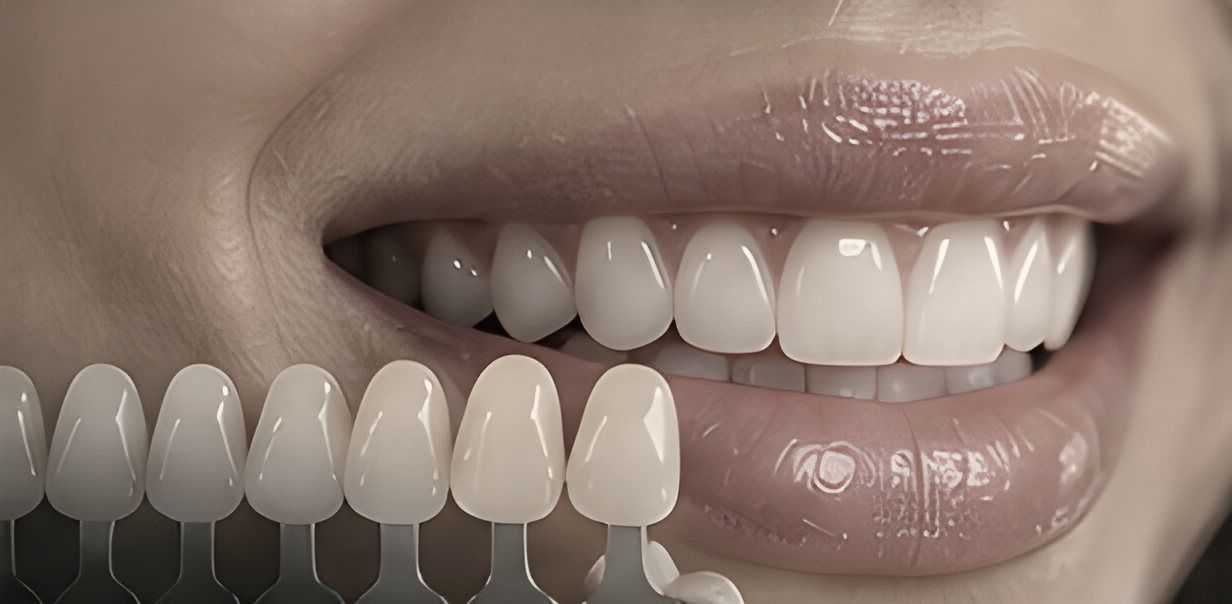
Teeth whitening
A brighter smile without drilling and without changing the shape of your teeth — at home with custom-made trays or in the clinic under professional supervision.
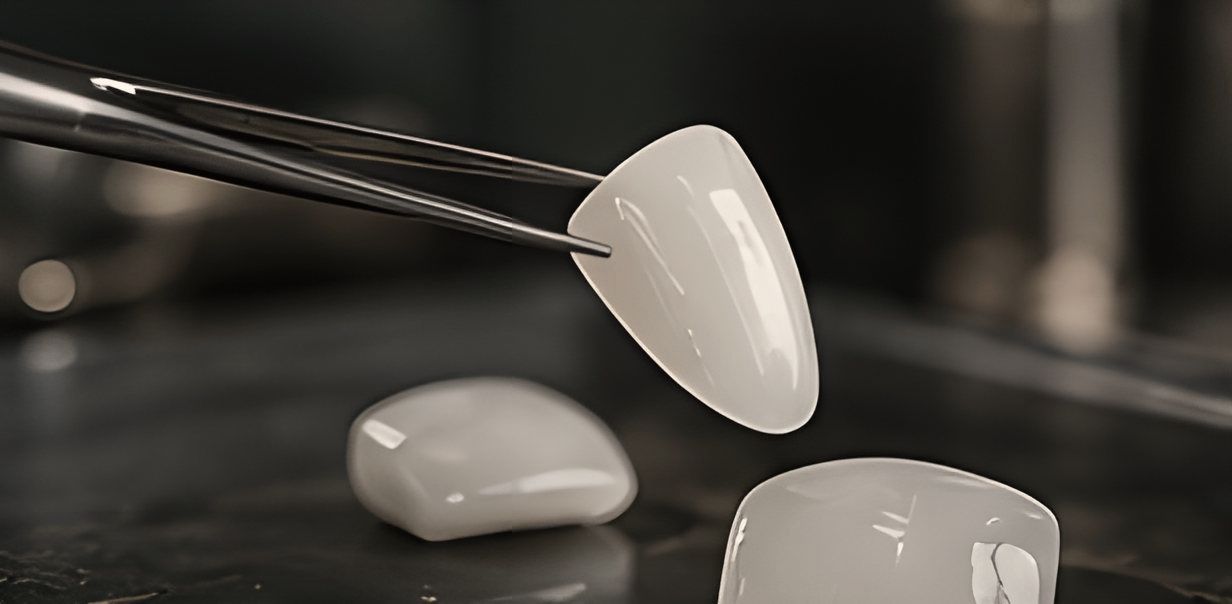
Porcelain veneers
Thin ceramic veneers that change the shape, colour and proportions of your front teeth — made to measure for your smile, preserving as much of your own tooth as possible.