

Dental Medicine
General dentistry
Regular check-ups, prevention and timely treatment — the foundation of healthy teeth, and the best way to reduce the need for more complex treatment.
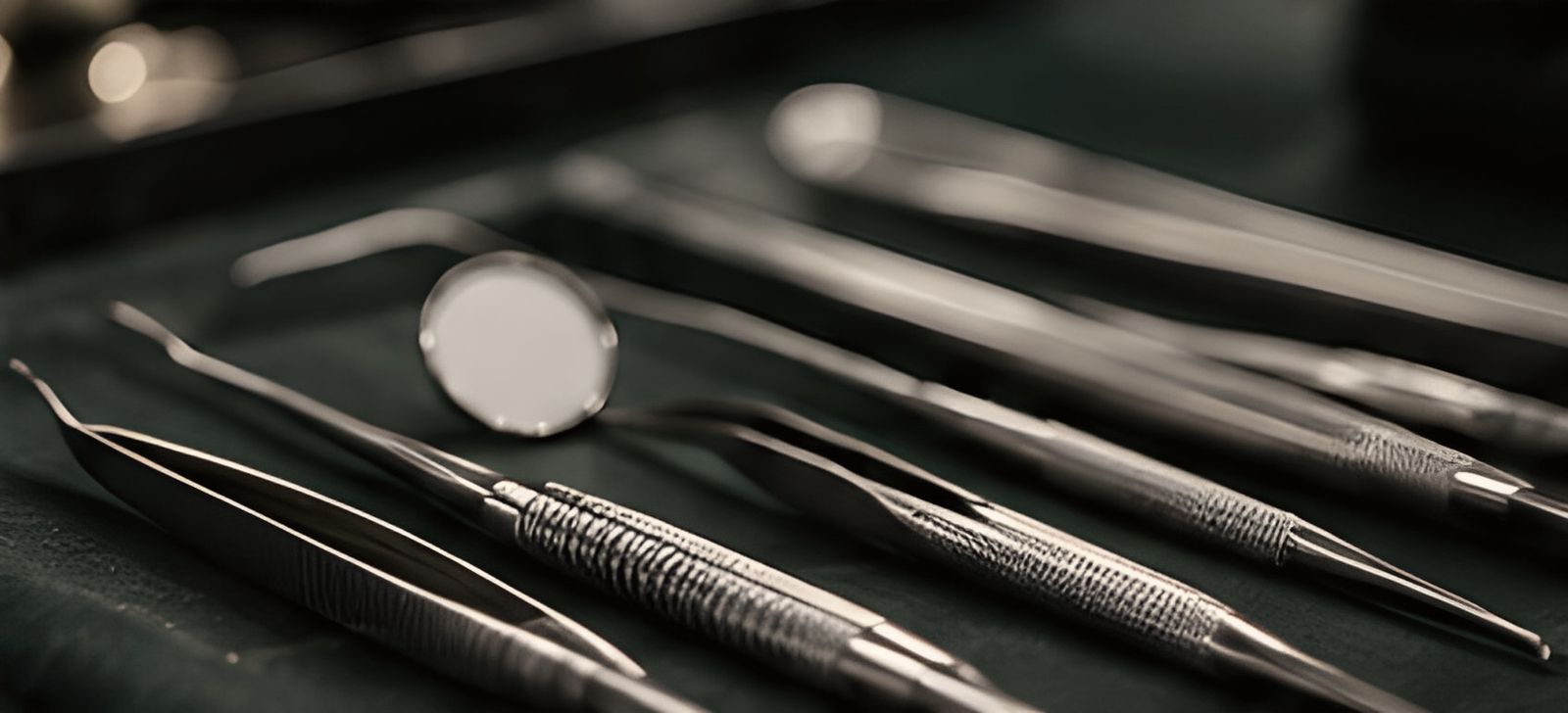
- Examinations and diagnosticsA detailed examination under ZEISS loupe magnification, with modern CBCT and RVG imaging.
- Restorative dentistryAesthetic and functional restorations.
- Root canal treatmentPrecise endodontic treatment with modern diagnostics and magnification.
- Preventive dentistryProfessional cleaning, scaling and air polishing.
What does general dentistry cover?
General dentistry is the foundation of all dental care: examination, diagnosis, prevention and treatment of the most common problems — decay and inflammation of the dental pulp. It is the part of dentistry every patient encounters, and the one that most influences whether your own teeth last a lifetime.
Early decay does not hurt. By the time pain appears, the damage is often deep and treatment more extensive. That is why regular check-ups and professional cleaning make sense even when nothing bothers you. Early detection often allows simpler, less invasive treatment.
Our aim is to preserve as much of your own tooth as possible. During treatment we aim to preserve as much healthy tooth tissue as possible.
When to see us
When to see us
Come in for an examination if:
- you have not had a check-up for more than a year
- a tooth hurts or is sensitive to hot, cold or sweet
- you notice a dark spot, a cavity or a chipped tooth
- your gums bleed when brushing
- a filling has fallen out, cracked or feels rough
- you would like professional removal of tartar and stains
Services
General dentistry services
General dentistry services, grouped the way they usually follow one another in practice.
Examination and diagnosis
- Initial examination + CBCT scan + treatment plan
- Package for when a 3D CBCT scan is indicated at the first examination: clinical examination, CBCT and a written treatment plan. Imaging is chosen according to clinical indication.
- Panoramic X-ray (OPG)
- An image showing all teeth and both jaws at once.
- Intraoral digital X-ray (RVG)
- An image of one tooth — for detail an OPG does not show.
- CBCT scan of one or both jaws
- A three-dimensional scan when a view in three planes is needed, e.g. for complex canals or surgical planning.
Prevention and oral hygiene
- Scaling + polishing
- Removal of hard deposits above and below the gum line, followed by polishing.
- Air polishing
- Removal of stains (coffee, tea, tobacco) with a jet of fine powder and water.
- Scaling + air polishing + polishing
- A complete professional clean in one visit.
Treating decay
- Tooth-coloured filling — one, two or three surfaces
- Replacing tissue removed because of decay with a filling matched to your tooth. The number of surfaces reflects how many sides of the tooth are involved.
- Direct or indirect pulp capping
- Preserving pulp vitality in deep decay, with the aim of avoiding root canal treatment.
Endodontics
- Root canal treatment
- Root canal treatment under ZEISS loupe magnification.
- Root canal retreatment
- Re-treating previously filled canals.
Diagnostics and approach
Diagnosis before treatment
Treatment starts with an examination and, where needed, imaging. A single-tooth or panoramic X-ray is often enough; a three-dimensional CBCT scan is used when indicated — for example with suspected inflammation at a root tip, complex canals or surgical planning. Your treatment plan is based on facts, not assumptions.
After the examination you receive a written plan with the order of treatment and costs. What is urgent or painful comes first, then what could progress, and aesthetics last. With every procedure we aim to remove only diseased tissue and preserve as much healthy tooth as possible.
A written plan
You know what is needed, in what order and at what cost.
Minimally invasive
During treatment we aim to preserve as much healthy tooth tissue as possible.
Prevention first
Regular check-ups and preventive care can reduce the risk of more extensive problems and the need for more complex treatment.
Equipment and materials
What we use
Diagnostics and equipment that support an accurate diagnosis and precise treatment.
Three-dimensional imaging of teeth, root canals and bone when this type of imaging is indicated.
All teeth and both jaws in a single image.
Single-tooth images for detailed diagnosis and treatment checks.
Optical magnification of the working field allows a more detailed view and more precise work.
Fillings matched in shade to your tooth and hardened with a curing light.
A jet of fine powder and water removes surface stains.
Steps
What happens at your first visit?
Conversation
What bothers you, what you would like to achieve, and your general health.
Examination and imaging
Examination of teeth, gums and existing work, with imaging when needed.
Explaining the findings
We show you on the scan what we found and what it means.
Treatment plan
Order of treatment, options and costs in writing.
Treatment
Urgent issues first, then the rest according to the agreed plan.
Check-ups
Regular examinations and cleaning as your dentist recommends.
Benefits
Why prevention pays off
Smaller procedures
Decay caught early can often be treated with a smaller filling.
Keeping your own teeth
No replacement fully matches your natural tooth.
Healthy gums
Regular scaling reduces gum inflammation and bleeding.
Lower costs
Prevention usually costs less than treating the consequences.
No surprises
The treatment plan shows you what to expect in advance.
Precise diagnosis
Imaging reveals problems the naked eye cannot see.
Frequently asked questions
Frequently asked questions
Can’t find your answer? Call us or send an enquiry.
+385 99 268 6537How often should I have a check-up?
For most adults, a check-up and professional clean once or twice a year is recommended. If you are prone to decay or gum disease, your dentist may recommend more frequent visits.
Do I need a CBCT scan?
Not always. A CBCT scan is taken when clinically indicated — for example when planning implants, surgical procedures or complex root canal cases. In many situations a single-tooth or panoramic X-ray is enough. Your dentist decides after the examination.
Does scaling hurt?
Most patients find it tolerable. If your gums are inflamed or teeth sensitive it may be uncomfortable; the cleaning can then be adapted, and local anaesthesia used if needed.
What is air polishing and do I need it?
Air polishing removes stains from coffee, tea or tobacco with a jet of fine powder and water. It is useful if you have noticeable staining; it does not whiten teeth, but restores their natural colour.
What kind of fillings do you use?
We place tooth-coloured fillings.
What is pulp capping?
In deep decay, the layer of tooth above the dental pulp can be very thin. Pulp capping protects the pulp with a special material, aiming to preserve its vitality and avoid root canal treatment.
What if I have toothache?
Pain is a sign that the tooth should be examined soon. When booking, describe your symptoms and mention the pain; the pain is addressed first, then further treatment is planned. Outside our opening hours, if the pain is severe, please contact an out-of-hours dental service.
Related
Related areas

Children’s dentistry
A calm, patient approach that shows children from their very first visit that the dentist is nothing to be afraid of.
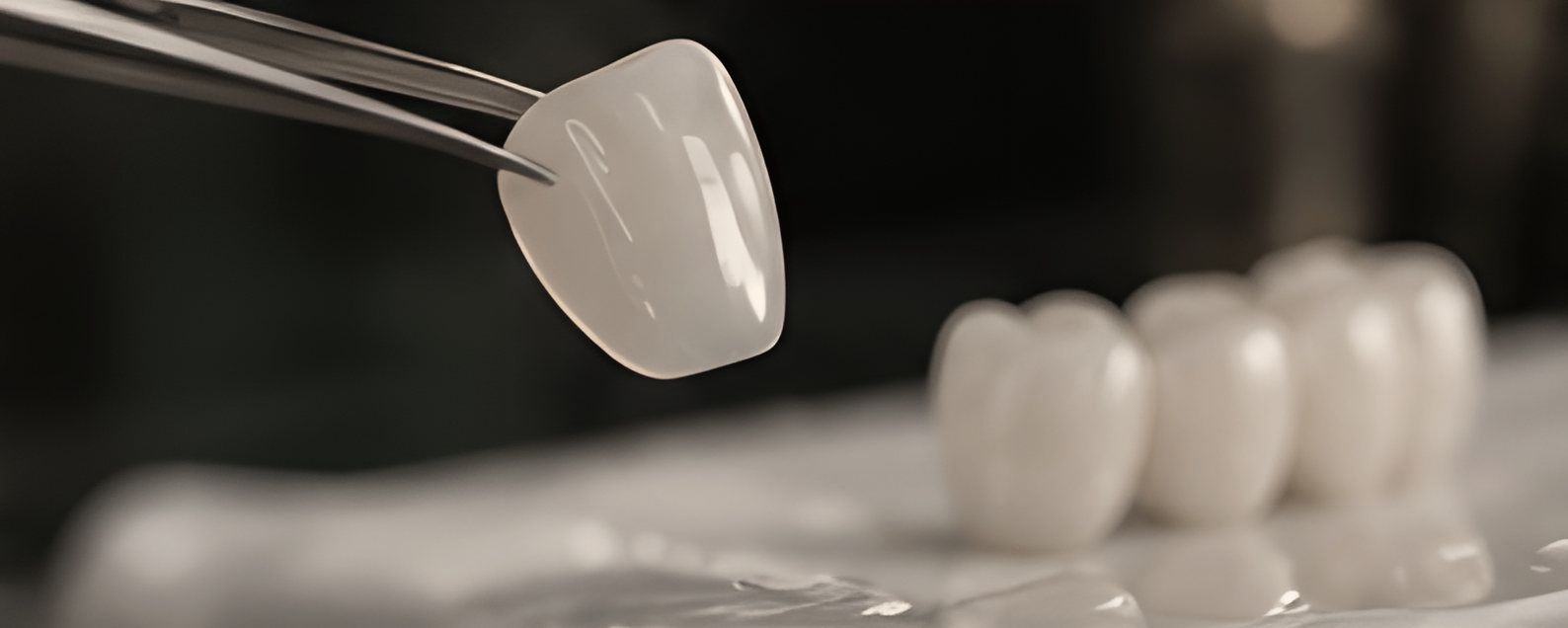
Prosthodontics
Crowns, bridges and dentures that restore the function and look of your teeth — made to fit your bite and planned individually.
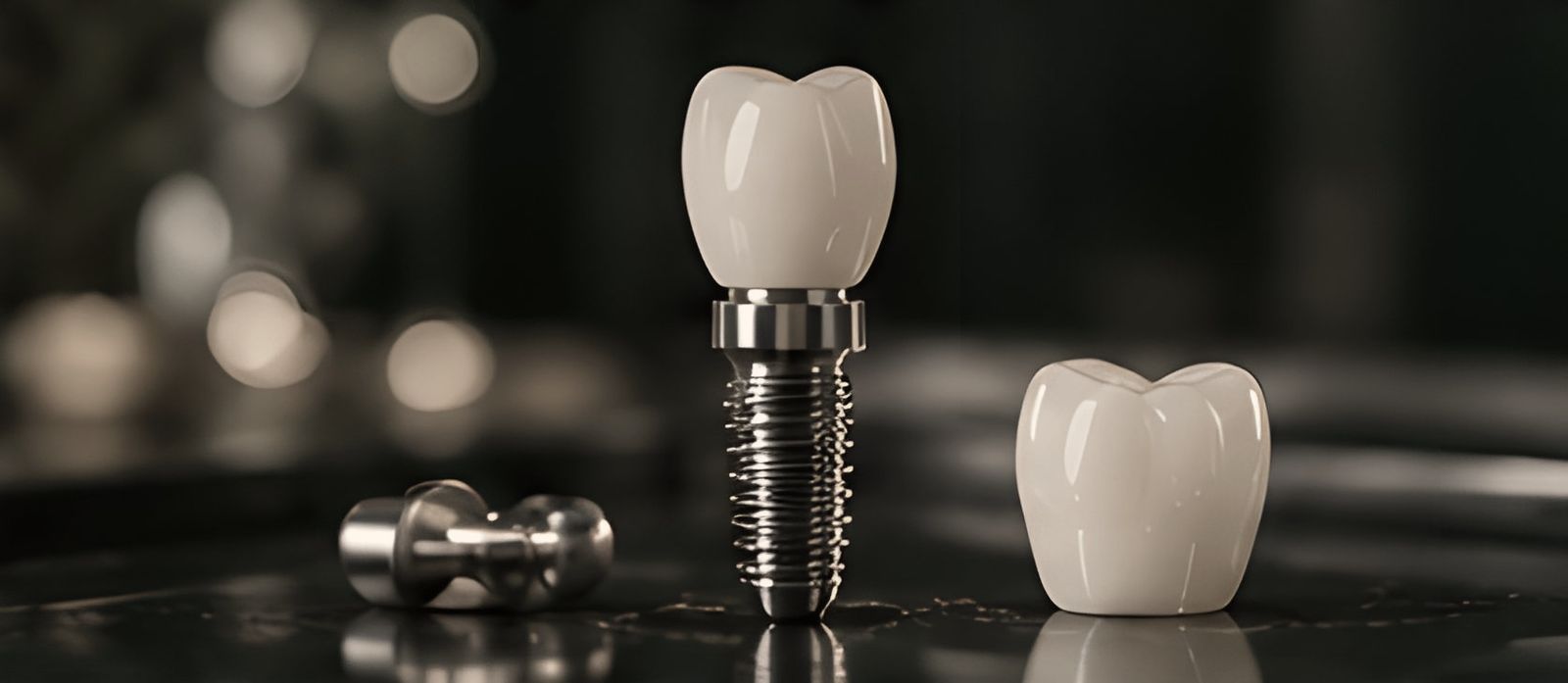
Implantology
Replacing missing teeth with support from your own bone — from a single tooth to a full arch, planned on a three-dimensional scan.